


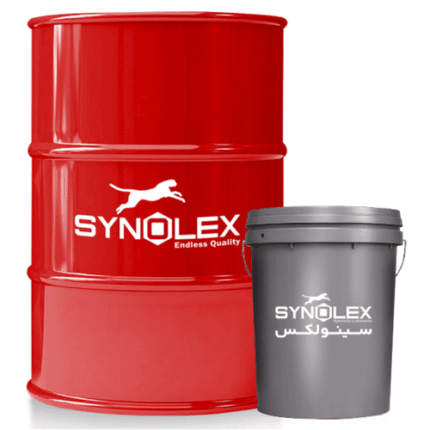
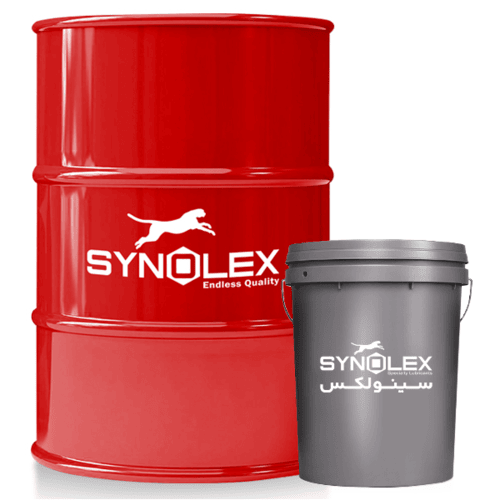
Marina E 4020 – Marine Engine Oil
Product Overview
Synolex Marina E 4020 is an engine lubricant for the engine category and duty identified in its product designation. Engine oil works across several demanding locations, including bearings, pistons and other lubricated moving parts. It must remain available as engine load and temperature change. The product is selected around the engine design, specified viscosity and service requirement, giving operators a clear oil reference for the installation rather than treating all engines as interchangeable applications.
Product Identification and Grade
| Product | Marina E 4020 |
|---|---|
| Product type | Marine Engine Oil |
| Grade / product code | Product code 4020 |
| Application category | Marine Lubricants > Marine Engine Oils |
Key Features and Benefits
1. Oil-film protection at moving surfaces
The lubricant separates working surfaces wherever the engine design relies on an oil film. Bearing speed, loading and operating temperature all influence this task. Matching the specified viscosity helps the oil reach those contacts and perform its mechanical lubrication role during normal operation.
2. Support through changing engine load
An engine can move between starting, warming up, steady load and shutdown. The lubrication system must supply oil throughout those stages. Synolex Marina E 4020 is considered in relation to that actual working cycle, including whether the engine provides continuous output, variable-duty power or standby service.
3. Heat transfer within the engine
Oil absorbs and transports some of the heat generated around lubricated components. Its role complements the engine cooling system. Correct level, circulation and cooling arrangements help preserve the operating environment needed by the bearings and other oil-lubricated contacts.
4. Attention to engine cleanliness
A working engine exposes its oil to contamination and changing thermal conditions. Oil condition, filtration and the service interval therefore matter to internal cleanliness. The lubricant programme should keep deposits and contamination under review alongside the mechanical condition of the engine.
5. Selection for the fuel and engine design
Fuel characteristics and combustion conditions influence the lubricant requirement. A stationary engine, a generator and a marine engine may use similar viscosity descriptions while having different service needs. The exact application and documented performance category should guide the product choice.
6. Clear identification for routine service
Recording the complete Synolex Marina E 4020 designation helps keep oil orders, top-ups and scheduled changes consistent. It is particularly useful where the site runs several engine types. A defined product reference also supports meaningful comparison of oil consumption and condition between service periods.
Applications
The intended engine category is explained in the product-specific section below. Identify the engine model, fuel, required performance level and lubrication point before selecting Synolex Marina E 4020. A product suitable for one engine duty should not be extended to a different circuit solely because the viscosity number looks familiar. In particular, separate engine and cylinder lubrication arrangements require their own defined product selection.
- Engines whose viscosity and performance requirements match the stated product category.
- Scheduled oil changes in the intended generator, stationary or marine duty.
- Routine replenishment with the specified compatible service lubricant.
- Equipment maintenance programmes that identify the engine and lubrication circuit.
Product-Specific Application
The Marina E family is intended for marine-engine lubrication. Establish the engine design and the exact oil circuit before choosing a product, particularly where cylinder lubrication and the main engine system use separate oils. The fuel and required performance category also belong in the selection. Four-digit product codes should be checked against the finished-product data rather than decoded into assumed numerical properties. The product is selected for its documented marine duty and should not be treated as a universal oil for every vessel engine.
Viscosity and Grade Selection
The number 4020 is treated as a product identifier. The name does not provide a verified measured viscosity, a complete performance specification or an operating-temperature limit. Use the finished-product data to establish any numerical properties needed for the application. This is especially important when comparing the product with another supplier designation, because commercial codes do not always follow the same numbering convention. The application requirement should define the properties that matter, together with the units and test conditions used to compare them. Keep the exact product name on the order and service or production record. Do not convert an unverified commercial code into an assumed standard grade when selecting an alternative.
Performance in the Application
Engine hours alone do not describe every aspect of lubricant service. A unit that spends long periods at a stable load may experience different conditions from one that starts frequently, idles extensively or operates only during emergency testing. Operating temperature and fuel condition also influence the assessment. Record the application accurately so that oil analysis, consumption and service history can be interpreted together. Where an engine has multiple lubrication circuits, identify each circuit on the maintenance record. Keeping these distinctions clear supports a practical oil programme and avoids treating a common viscosity label as a complete engine specification.
Handling and Service
Check level using the engine manufacturer procedure and avoid overfilling. Change filters with the oil where the service schedule requires it. Record engine hours, top-up quantity and the operating duty between services. Investigate unusual consumption, coolant entry or abnormal oil condition. Select the change interval from the engine requirements and the actual service evidence rather than assigning an unsupported extended interval.
Store the product in its original labelled container in a clean, covered area. Close the container after dispensing and use dedicated, clean transfer equipment. Protect the product from water and debris and keep batch identification legible. Follow the safety data sheet for handling and spill management, and manage used product through the applicable collection arrangements.
Why Choose This Product?
Choose Synolex Marina E 4020 for the engine category and viscosity requirement it is intended to serve. The product belongs in a programme focused on moving-contact lubrication, heat transport and control of oil condition during the engine duty cycle. Correct matching keeps those functions connected to the actual engine rather than a general oil label.
Product Selection and Ordering
For product selection or an order, provide the complete Synolex designation, the equipment or process application and the quantity required. Where a replacement is being considered, include the current lubricant name and the relevant equipment requirement. This allows the proposed product to be compared on application and documented properties. The current technical data sheet governs numerical specifications and any formal approvals. The comparison section below retains the product references and their qualifications, so that a potential alternative can be reviewed in its proper technical context.
Similar Products (Equivalent Matching)
The entries below support technical comparison. A documented comparator does not establish an automatically approved replacement. Conditional alternatives require the stated differences to be resolved. A family-level lead does not verify the exact grade, and the absence of a verified entry does not mean that no product exists in the market.
| Synolex product | Marina E 4020 |
|---|---|
| Grade basis | Assumed SAE 40 / BN 20; provisional interpretation requiring confirmation |
| Mobil | Mobilgard M420 Conditional alternative; technical differences require assessment Conditional on confirming the Synolex code means SAE grade followed by BN. Match fuel sulfur, engine design and OEM approval. |
| Shell | Shell Argina S2 40 Conditional alternative; technical differences require assessment Conditional on confirming the Synolex code means SAE grade followed by BN. Match fuel sulfur, engine design and OEM approval. |
| TotalEnergies | TotalEnergies AURELIA TI 4020 Conditional alternative; technical differences require assessment Conditional on confirming the Synolex code means SAE grade followed by BN. Match fuel sulfur, engine design and OEM approval. |
| Fuchs | No verified match recorded in the reviewed source |
| Castrol | Castrol TLX Plus 204 Conditional alternative; technical differences require assessment Conditional on confirming the Synolex code means SAE grade followed by BN. Match fuel sulfur, engine design and OEM approval. |
| Behran | Behran TPEO 4020 Conditional alternative; technical differences require assessment Conditional on confirming the Synolex code means SAE grade followed by BN. Match fuel sulfur, engine design and OEM approval. |
| Iranol | No verified match recorded in the reviewed source |
| Pars | Pars Mowj ECA 4020 Conditional alternative; technical differences require assessment Conditional on confirming the Synolex code means SAE grade followed by BN. Match fuel sulfur, engine design and OEM approval. |